Every October, we celebrate National Dental Hygiene Month—a time to recognize the important role dental hygienists play in helping patients maintain healthy smiles and to raise awareness about the importance of good oral hygiene.
At Saving Smiles Dentistry, we are fortunate to have an incredible team of dental hygienists who work with our patients every day to prevent dental problems, improve oral health, and make sure patients feel confident caring for their smiles at home.
Serving patients throughout Fargo, West Fargo, Moorhead, and the surrounding communities, our team believes that great dental care is a partnership between you and your dental team. Your daily habits at home, combined with regular professional dental cleanings and exams, can make a big difference in your long-term oral health.
So, in honor of National Dental Hygiene Month, let’s talk about three simple habits you can practice every day to keep your smile healthy.
The Daily Three: Simple Habits for a Healthy Smile
1. Brush Your Teeth Twice a Day
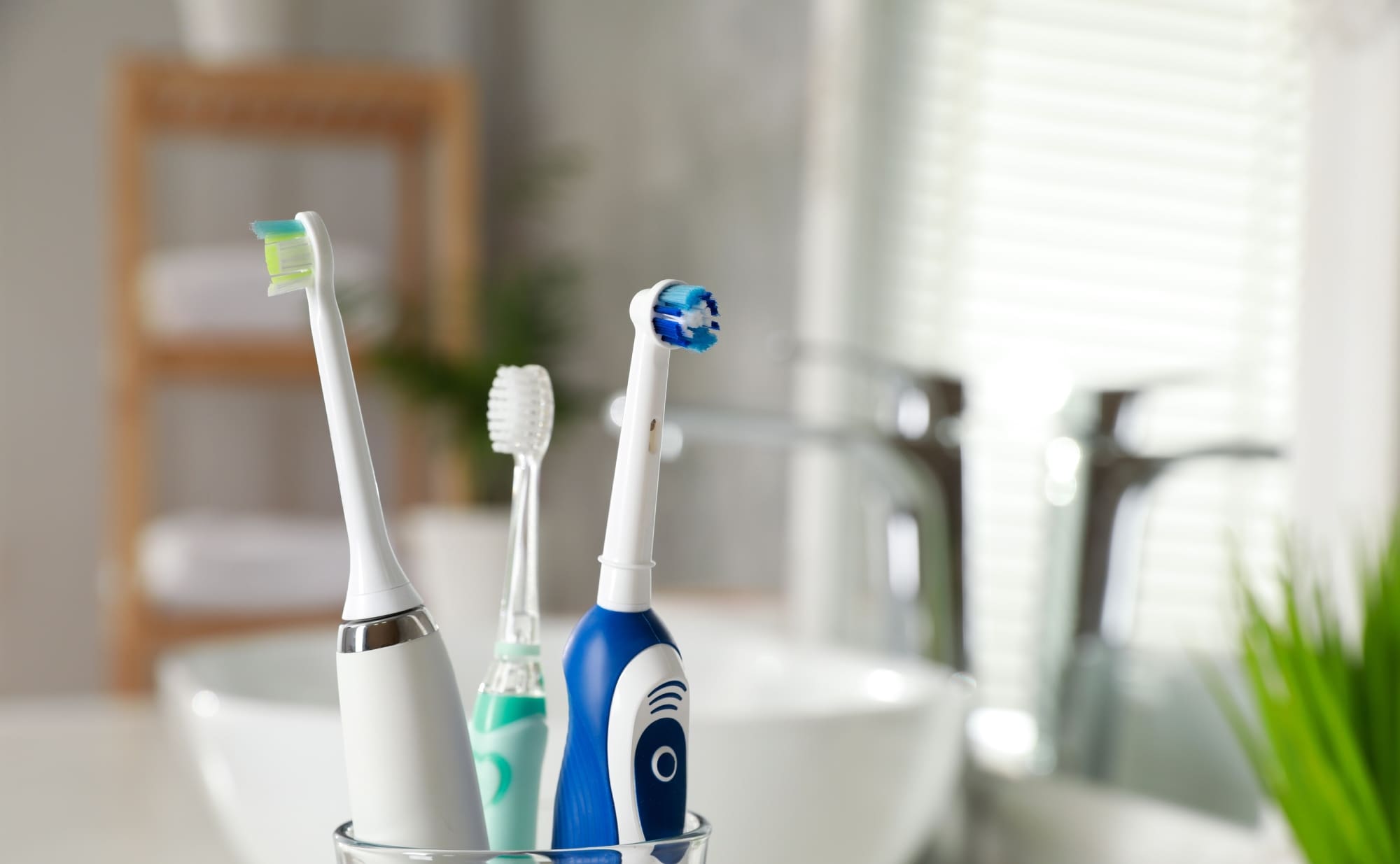
One of the most important things you can do for your oral health is also one of the simplest: brush your teeth twice a day for two minutes.
Use a soft-bristled toothbrush and fluoride toothpaste. When brushing, make sure you reach all surfaces of your teeth, including the fronts, backs, and chewing surfaces.
Don’t forget your gumline! Plaque can build up along the gums, so gently brushing along the gumline is an important part of your routine.
And remember—more pressure doesn’t mean a better clean. Brushing too aggressively can irritate your gums and contribute to enamel wear or gum recession.
If you’re not sure whether you’re brushing effectively, ask your dental hygienist at your next visit. We are happy to demonstrate proper brushing techniques and recommend products that fit your individual needs.
2. Floss Every Day
Brushing cleans the surfaces of your teeth, but it can’t effectively clean the areas between your teeth.
That’s where flossing comes in.
Daily flossing helps remove plaque and food particles from areas your toothbrush can’t reach. It also helps keep your gums healthy and can reduce your risk of gum inflammation and periodontal disease.
Traditional dental floss isn’t the only option. Depending on your needs, your dental hygienist may recommend floss picks, interdental brushes, or a water flosser.
The best flossing method is the one you’ll actually use consistently!
If you aren’t sure what is right for you, ask your hygienist. We can help you find a technique or tool that makes cleaning between your teeth easier.
3. Rinse When Appropriate
An antimicrobial or fluoride mouthwash can be a helpful addition to your oral hygiene routine for some patients.
Depending on your individual needs, your dental team may recommend a particular type of mouthwash to help with things such as bacteria, cavities, dry mouth, or gum health.
However, mouthwash should be viewed as an addition to—not a replacement for—brushing and flossing.
If you’re wondering whether mouthwash would benefit your oral health, talk with your dentist or dental hygienist. We can help you determine whether a rinse is appropriate for you.
Don’t Forget About Your Regular Dental Visits
Your at-home oral hygiene routine is incredibly important, but even the most diligent brushing and flossing routine doesn’t replace professional dental care.
Regular dental exams and cleanings allow your dental team to:
- Remove plaque and tartar that can’t be removed with regular brushing
- Evaluate the health of your gums
- Look for signs of cavities and tooth decay
- Identify potential dental concerns early
- Monitor changes in your oral health
- Provide personalized recommendations for your at-home routine
Your recommended cleaning schedule may vary depending on your individual oral health needs. Some patients benefit from routine cleanings twice a year, while others may need more frequent periodontal maintenance visits.
There isn’t a one-size-fits-all approach to dental hygiene. Your hygienist and dentist will work with you to determine the best schedule for your smile.
Your Dental Hygienist Is Your Partner in Prevention
National Dental Hygiene Month is also a great opportunity to recognize the hard work of dental hygienists.
At Saving Smiles Dentistry, our hygienists do much more than clean teeth. They educate patients, monitor gum health, look for changes in your oral health, answer questions, and help patients develop habits they can use every day at home.
If you’ve ever wondered, “Am I brushing correctly?”, “What kind of floss should I use?”, “Do I really need to floss every day?”, or “Why do my gums bleed?”—your dental hygienist is a great person to ask.
There is no judgment. Our goal is to help you understand your oral health and give you the tools you need to take care of your smile.
It’s Never Too Late to Improve Your Oral Health
Maybe you’ve been great about your dental routine for years.
Maybe you’ve fallen out of your routine.
Maybe it’s been a long time since you’ve seen a dentist.
Wherever you are starting from, we’re here to help.
At Saving Smiles Dentistry, we welcome patients of all ages throughout Fargo, West Fargo, Moorhead, and the surrounding communities. Whether you’re due for your regular dental cleaning, have questions about your oral hygiene routine, or it’s been a while since your last dental visit, our team is here to help—judgment-free.
National Dental Hygiene Month is the perfect reminder that small, consistent habits can make a big difference.
Start With the Daily Three
🪥 Brush twice a day for two minutes.
🦷 Floss every day.
💧 Rinse with a recommended mouthwash when appropriate.
Then make your next step a professional dental cleaning and exam.
Healthy smiles start with the habits you practice every day. Let’s keep yours smiling!